Burlington, VT · Garage Door Service
Garage Door Roller Replacement for Burlington Homes
Worn rollers on Burlington's 1938-1992 housing stock fail faster in severe cold. Here's why, what it costs to fix, and how booking works.
- Repairs & new doors
- Springs & openers
- Serving 5 nearby communities
What Causes It Around Here
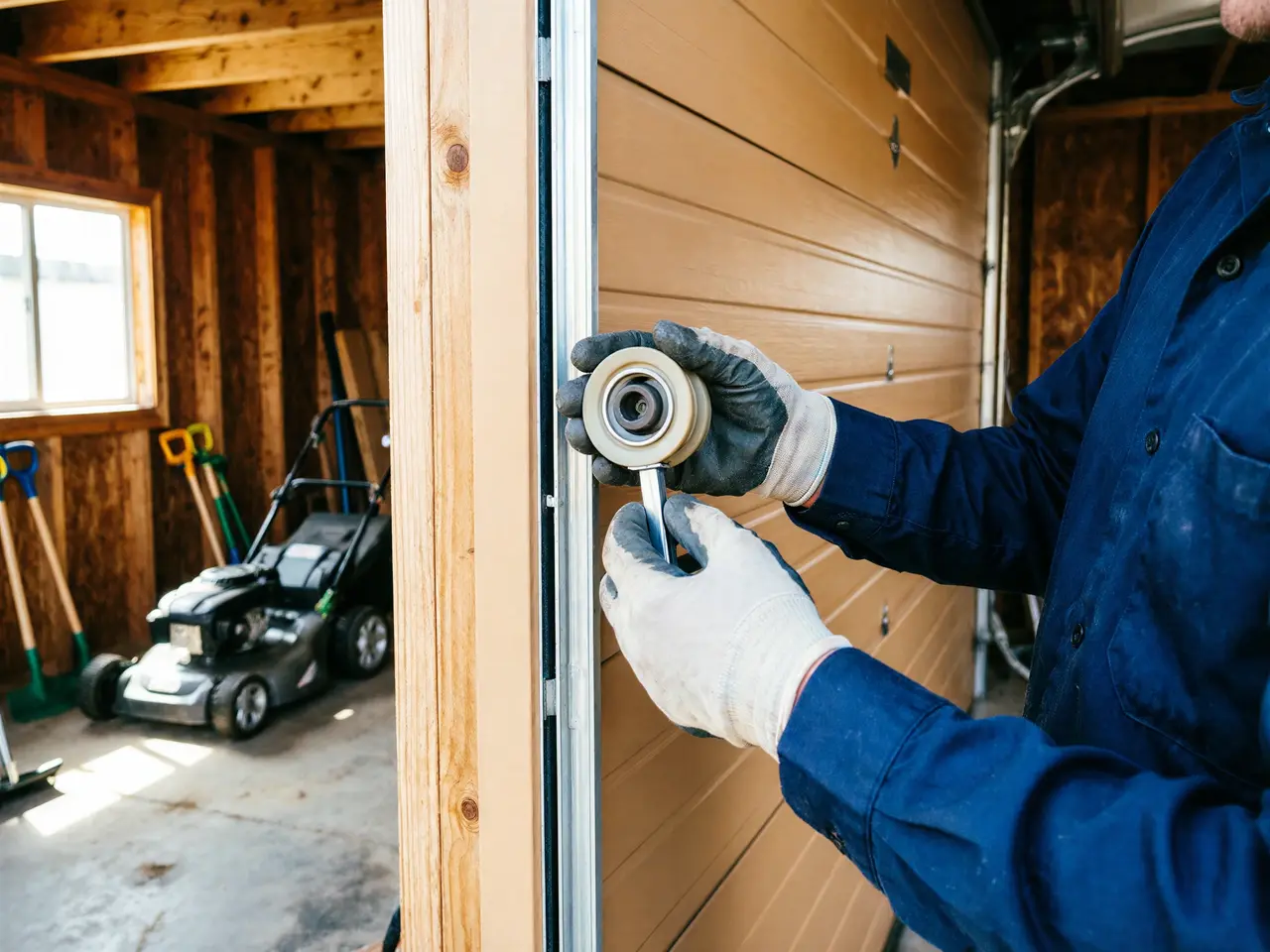
Most of the housing stock across this service area went up between 1938 and 1992, with the median build year landing around 1983. That means a lot of garage doors out there are running on the steel rollers that were standard for that era - not the nylon ones builders use now. Steel rollers wear a groove into the track over a couple decades, and once that groove deepens, every open and close grinds a little more metal off the roller stem.
Add in a cold climate band rated severe, and you get a second problem stacked on top of the first: grease inside the roller bearing stiffens up hard in winter. A stiff bearing doesn't spin freely, so instead of rolling smoothly through the track, the roller drags and chatters. That dragging is what chews up the track edges and snaps roller stems, usually on the coldest mornings when the door gets used the most.
Across the 19 named areas in this service territory, the pattern repeats: older stock, cold-stiffened lubricant, worn tracks. Newer builds in a few pockets run nylon rollers with sealed bearings, which hold up better in the cold, but plenty of houses here still have the original hardware from whenever the door was installed - sometimes decades past its working life.
Booking a Visit
Roller replacement is a job we can usually quote over the phone once we know the door size, whether it's steel or nylon rollers currently installed, and how many are failing. If you're hearing a grinding or popping sound on one side of the door, that's often enough for us to bring the right stock on the truck the first time, rather than a second trip.
We cover the full service area out of Burlington, so if you're closer to one of the surrounding towns, we still handle the call - the roller hardware and the cold-weather wear pattern are the same whether the door is a few miles out or right in town.
One limitation worth saying plainly: if the track itself is bent or badly grooved from years of a bad roller grinding through it, swapping rollers alone won't fix the noise. We'll tell you on site if the track needs straightening or replacing too, rather than selling you rollers that won't solve the problem.
The Symptom
The classic sign is a rhythmic clunk or grind as the door travels, worse at the top or bottom of the run where the roller carries the most load reversing direction. On a door with steel rollers from the original install, that noise tends to show up gradually over a winter or two, then gets sharply worse once the cold sets in and the bearing grease stiffens.
You might also notice the door seems to hesitate or jump slightly as it moves, especially right after a cold night. That's the roller catching on a worn spot in the track rather than rolling through it clean. Left alone, a cracked roller stem can eventually let a roller pop loose from the track entirely, which can bind the opener or drop the door off-level in the opening.
If only one or two rollers are making noise, it's worth replacing the full set on that side rather than just the loud ones - the others on the same track have seen the same miles and the same cold, and they're usually not far behind.
What You Pay
We don't post a flat price here because the job varies with roller count, whether it's steel or nylon, and whether the track needs attention alongside the rollers. What we can tell you is the factors that move the number: how many rollers are shot versus just noisy, whether the door is a single or a double, and whether bearings are sealed or need the kind of service that older steel rollers require.
We'll give you the number before we start, not after. If a tech finds the track is also bent from a roller that's been grinding for a while, that's a separate line item we'll show you, not something folded in silently.
Frequently asked questions
Why do my rollers only get loud in winter?
Grease inside the roller bearing thickens in cold weather, which stops the roller from spinning freely. Instead of rolling smooth through the track, it drags and catches, which is what you're hearing. Once temperatures warm up some owners notice the noise eases, but the wear it causes doesn't reverse - it keeps compounding each winter.
Do I need all the rollers replaced or just the noisy ones?
If your door's hardware is original to a house built decades back, the quiet rollers are usually close behind the loud ones in wear. We'll check each one, but replacing the full set on an older door is often the call that avoids a second visit a few months later.
Can a bad roller damage the track?
Yes. A roller with a cracked or worn stem drags unevenly and can groove or bend the track edge over time. If that's happened, swapping the roller alone won't quiet the door - the track needs straightening or replacing too. We'll tell you on site if that's the case.
Will you give me a price before starting work?
We quote the job before any work begins, based on roller count, type, and whether the track is affected. We don't have a single flat rate to post since those factors change the number, but you'll know the cost before we touch the door.
Related services
By Neighborhood
Roller Replacement across the Burlington area
We also handle roller replacement in these Burlington-area suburbs.
Book garage door service in Burlington
Call now or request a quote - tell us what the door is doing and where you are.